Environmental
Renewable Energy: Definition, Sources and Legal Framework
The main renewable energy sources, the purpose of Law No. 5346, and the legal challenges renewable projects face in Türkiye: complex legislation, licensing, land use, EIA processes and support mechanisms.

This article is an English translation of the Turkish original published by the office.
One of the biggest problems facing the world in the 21st century is the difficulty of access to secure energy, and Türkiye unfortunately has its share of this problem. Today, countries still produce and use energy mainly from traditional fossil sources. Dependence on fossil fuels places an extra burden on the economy and causes harmful gases to accumulate in the atmosphere. To live in a healthy environment and leave a good world to future generations, it is very important and valuable to give weight to renewable energy projects. In this article we look at renewable energy projects from the perspective of environmental law.
What is renewable energy?
Renewable energy is energy obtained from sources that are continuously available in nature and can renew themselves. Unlike fossil fuels, these sources are inexhaustible and cause minimal harm to the environment.
What are the renewable energy sources?
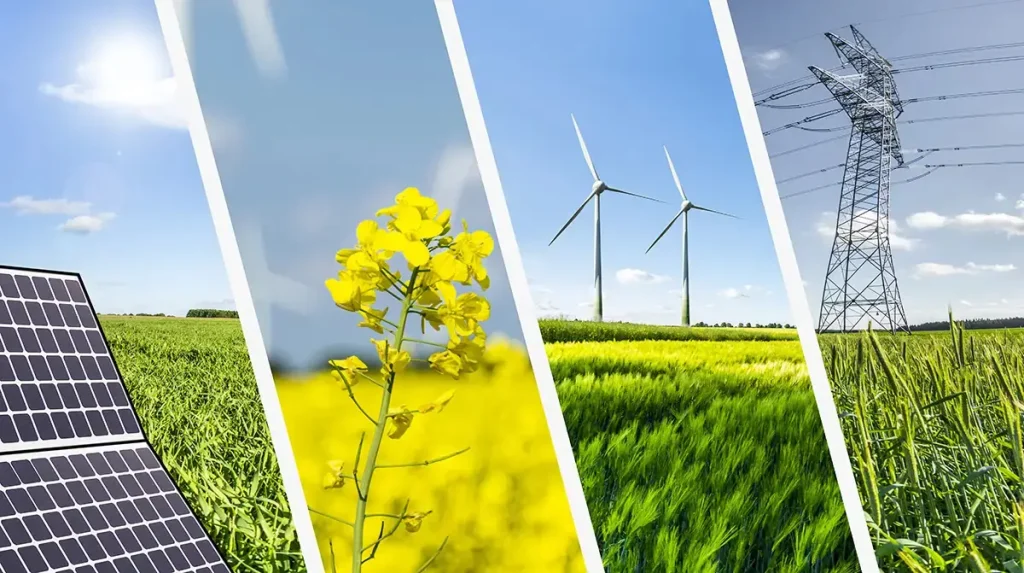
The main renewable energy sources are:
- Solar energy: energy obtained from sunlight; electricity is generated through solar panels.
- Wind energy: the conversion of the kinetic energy of wind into electricity through turbines.
- Hydroelectric energy: electricity generated using the potential energy of water in rivers and dams.
- Geothermal energy: energy obtained using underground hot water and steam.
- Biomass energy: the conversion of organic waste (plant and animal waste and the like) into energy by combustion or biochemical processes.
- Hydrogen energy: produced by splitting water molecules into hydrogen and oxygen through electrolysis. If the electricity used comes from renewable sources, the hydrogen is called “green hydrogen” and involves no carbon emissions. Green hydrogen is an energy-dense fuel offering a clean alternative to fossil fuels in industry, transport and energy storage.
- Wave energy: produced by converting the mechanical energy of waves on the surface of oceans and seas into electricity. It has a high energy density and is considered a sustainable and clean source in coastal areas.
The legal framework for renewable energy
One of the most important laws on renewable energy is the Law No. 5346 on the Use of Renewable Energy Resources for the Purpose of Generating Electrical Energy (the YEK Law). Article 1 states its purpose as expanding the use of renewable energy resources for electricity generation, bringing these resources into the economy in a reliable, economical and high-quality manner, increasing resource diversity, reducing greenhouse gas emissions, making use of waste, protecting the environment and developing the manufacturing sector needed to achieve these aims.
What legal problems arise in renewable energy?
While renewable energy projects are of great importance for environmentally friendly and sustainable energy production, they face various legal challenges. The main problems encountered in carrying out such projects in Türkiye are:
- Complex legislation and compliance: renewable energy projects are subject to several laws, such as the Renewable Energy Law No. 5346 and the Electricity Market Law No. 6446. This complexity can make it harder for investors to keep their projects within the legal framework, and frequent amendments make it difficult to keep up with current rules.
- Lengthy permit and licensing processes: the permit and licensing processes run by the Energy Market Regulatory Authority (EPDK) can at times be long and complex, delaying projects and increasing costs. A lack of coordination between institutions can prolong the process further.
- Land use permits and ownership problems: securing and using the land on which facilities will be built is another important legal issue. Obtaining land use permits is especially difficult in areas with special status, such as forests, agricultural land or protected sites, and disputes over ownership rights can also hold projects back.
- Environmental Impact Assessment (EIA) processes: EIA reports are required to assess projects’ effects on the environment. The length of these processes and the uncertainty of their outcome can be a risk for investors, and objections by the public and civil society organisations during EIA processes can lead to projects being stopped or cancelled.
- Uncertainty in incentive and support mechanisms: incentives and support are very important for investors in renewable energy projects. Changes or uncertainty in these mechanisms — for example in the continuity of purchase guarantees, tax reductions and low-interest loans — can negatively affect investment decisions and complicate financial planning.
Overcoming these challenges requires simplifying legislation, speeding up permit and licensing processes, clarifying the rules on land use and making incentive mechanisms stable. It is also very important for investors to obtain legal advice and plan their projects in line with the existing legal framework.
Türker Law Office provides legal representation and advice on licence and permit processes for renewable energy investments, land use issues, ownership disputes, Environmental Impact Assessment processes, administrative applications and other environmental and energy law disputes arising from renewable energy projects.
This article is for general information and reflects the legislation in force on its publication date. Every case is different; please obtain legal advice on your specific situation.