Environmental
What Sanctions Apply to Those Who Pollute the Environment?
Article 56 of the Constitution, the polluter-pays principle and strict liability under Environmental Law No. 2872, administrative fines, suspension of activities and environmental offences under Articles 181–184 of the Turkish Criminal Code.

This article is an English translation of the Turkish original published by the office.
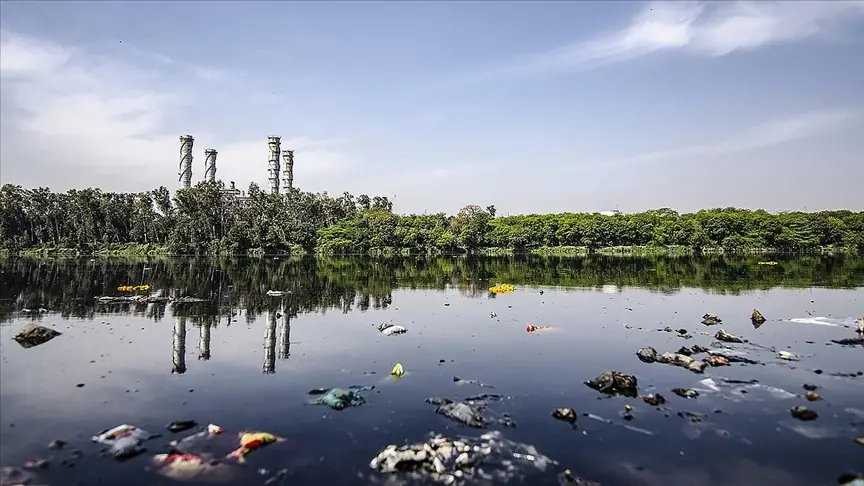
Growing environmental pollution is one of the most important issues of the modern world. Rapid technological development and the ever-increasing energy consumption that comes with it, uncontrolled factories and industrial facilities, and unplanned urbanisation are unfortunately increasing pollution, which poses serious dangers to human health and to other living beings. Strong legal sanctions against polluters are therefore needed to build environmental awareness and protect the environment. To contribute to that awareness, in this article we discuss the legal liability of polluters.
Provisions protecting the environment
Article 56 of the Constitution is the strongest environmental provision in Turkish law:
Everyone has the right to live in a healthy and balanced environment. It is the duty of the State and citizens to improve the environment, to protect environmental health and to prevent environmental pollution.
Environmental Law No. 2872 was enacted to regulate environmental matters. It defines the environment as the biological, physical, social, economic and cultural setting in which living beings maintain their relationships and interact with each other throughout their lives, and environmental pollution as any adverse effect occurring in the environment that may impair the health of living beings, environmental values and the ecological balance.
The Law expressly prohibits polluting the environment. Under Article 8, it is prohibited to discharge, store, transport, remove or carry out similar activities with any kind of waste or residue, directly or indirectly, into the receiving environment in a way that harms the environment and contrary to the standards and methods set in the relevant regulations. Article 9 sets out in detail the measures to be taken to protect the environment.
The Environmental Law provides for two kinds of liability for polluters. The first is in Article 3(g):
Expenditure for preventing, limiting and remedying pollution and degradation and for improving the environment is borne by the polluter or the person causing the degradation. Necessary expenditure by public bodies because the polluter fails to take the measures needed to stop, remedy or reduce pollution or degradation, or because such measures are taken directly by the competent authorities, is collected from the polluter under the Law on the Procedure for the Collection of Public Receivables No. 6183.
This provision governs the polluter’s liability to the public for expenditure on preventing, limiting and remedying pollution and degradation and improving the environment; it is a provision aimed at preventing pollution before it occurs.
The second is Article 28:
Those who pollute or damage the environment are liable, without the need for fault, for damage arising from the pollution and degradation they cause. The polluter’s liability for compensation under general provisions is reserved.
This provision concerns compensation for damage arising after pollution has occurred.
Sanctions against polluters
A range of sanctions apply to polluters. The most important are administrative fines, suspension of activities and criminal proceedings for environmental offences.
1. Administrative fines
The sanction most often seen in practice is an administrative fine. Article 20 of the Environmental Law regulates administrative penalties in great detail. It is a very long provision covering many areas — from exhaust emissions causing pollution, to facilities whose establishment and operation require a permit because of their significant effects on air quality, to those who import or sell fuels that do not meet solid fuel specifications, and those who start construction or operation before completing the Environmental Impact Assessment (EIA) process. A separate fine is set for each act and offender, and the fines are high, with the aim of creating a deterrent effect and protecting the environment.
2. Suspension of activities
Perhaps the most severe sanction against polluters is the suspension of activities, regulated in Article 15 of the Environmental Law, which provides in summary:
- Those acting contrary to the Law and the regulations issued under it may be given a period, once only and not exceeding one year, to correct the activity, by the Ministry or by the bodies to which inspection powers have been delegated under Article 12(1), in accordance with principles set by regulation.
- If no period is given, the activity is stopped immediately; if a period is given and the breach is not corrected by its end, the activity is stopped, in whole or in part, temporarily or indefinitely. Activities posing a danger to the environment and human health, and activities without an environmental permit or environmental permit and licence, are stopped without a period being given.
- Activities started without an EIA review are stopped by the Ministry, and activities started without a project description file are stopped by the highest local administrative authority, without a period being given.
- Giving a period and stopping the activity do not prevent the penalties provided for in the Law from being applied.
3. Criminal proceedings
Polluting the environment is also an offence under the Turkish Criminal Code. Offences against the environment are regulated in Articles 181–184:
- Article 181: intentional pollution of the environment
- Article 182: negligent pollution of the environment
- Article 183: causing noise
- Article 184: causing zoning pollution (unlicensed construction)
Each of these offences carries serious penalties of imprisonment and judicial fines. When an act causing pollution is identified, an administrative sanction is usually applied to the polluter first and a criminal complaint is then filed with the prosecutor’s office, followed by an investigation and, where appropriate, a criminal case for one of the offences above.
Protecting the environment is everyone’s duty. Anyone who sees a person or business polluting the environment should report it to the competent authorities — and protecting the environment perhaps begins with knowing the rights that environmental law gives us.
Türker Law Office provides legal representation and advice on administrative fines for environmental pollution, administrative acts suspending activities, compensation claims for environmental damage, and investigations and prosecutions concerning offences against the environment.
This article is for general information and reflects the legislation in force on its publication date. Every case is different; please obtain legal advice on your specific situation.